
Butterfly pea flower has become something of a social media star over the past several years, largely thanks to its striking, naturally occurring blue color that shifts toward purple or pink when mixed with something acidic, like a squeeze of lemon. But beyond the visual appeal, a practical question comes up often for people considering it as a nightly habit: is it actually safe to drink butterfly pea tea every single night?
Butterfly pea, scientifically known as Clitoria ternatea, has a long history of culinary and traditional use across Southeast Asia, where it has been used in drinks, rice dishes, and desserts for generations, valued as much for its color as for its mild, slightly earthy flavor. As a dried flower used to make an infusion, it is caffeine-free, which already sets it apart from anything that would interfere with sleep the way a caffeinated beverage would.
For most healthy adults, drinking butterfly pea tea as part of a nightly routine is generally considered low-risk when consumed in normal culinary amounts, similar to how one might enjoy any other herbal tisane on a regular basis. It does not contain stimulants, and it is typically consumed the same way other calming herbal teas are — steeped as an infusion and enjoyed in moderate quantities, usually a cup or two.
That said, “generally low-risk” is not the same as “risk-free for absolutely everyone.” As with any botanical ingredient, individual responses can vary. Some people report mild digestive effects, like an upset stomach, if consumed in unusually large quantities. There is also limited research specifically on long-term, heavy daily consumption, so moderation — a cup or two rather than treating it as a replacement for water — remains a sensible approach rather than assuming that more is automatically better.
Who Should Be More Cautious
Certain groups should be more careful before making butterfly pea tea a nightly habit. Pregnant or breastfeeding individuals are generally advised to check with a doctor before regularly consuming any herbal tea, including butterfly pea, since research on herbal ingredients during pregnancy is often limited and doctors prefer to give guidance based on a person’s specific situation. Similarly, anyone taking medication — particularly blood thinners or medications affecting blood pressure — should mention any regular herbal tea habit to their doctor or pharmacist, since interactions between botanicals and medications are always worth checking rather than assuming are impossible.
People with known allergies to plants in the legume family, which butterfly pea belongs to, should also exercise caution and consider avoiding it, or introduce it slowly and watch for any adverse reaction the way they would with any new food. As with all herbal ingredients, “natural” does not automatically mean “appropriate for everyone,” and paying attention to your own body’s response matters more than any general rule.
Enjoying It as Part of a Blend
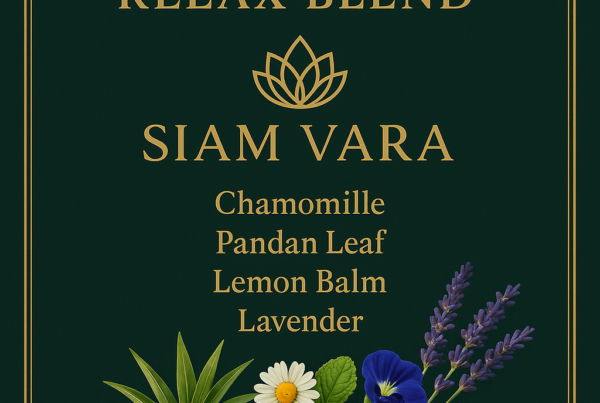
In practice, butterfly pea is often not consumed on its own but as one component in a broader blend — paired with herbs like chamomile, lemon balm, pandan, or lavender, where it contributes color and a subtle earthy note rather than dominating the flavor. In a blend like this, the overall amount of butterfly pea in any single cup is relatively modest, which is part of why it works well as a supporting ingredient in an evening tea rather than something consumed in concentrated form.
For the average healthy adult without allergies or specific medical concerns, enjoying a cup of butterfly pea tea, whether on its own or blended with other calming herbs, as part of a nightly wind-down routine is a reasonable and widely practiced habit. As always, if you have any underlying health condition, take regular medication, or are pregnant or nursing, a quick conversation with your doctor before making it a nightly fixture is the more careful and appropriate approach.