
Herbal tea is often pictured as a hot beverage — steam rising from a mug on a quiet evening — but that is really just one way to enjoy it. Iced herbal tea has its own devoted following, especially in warmer climates or during summer months, and the choice between hot and cold is not purely about temperature preference. Each version offers a slightly different experience, and understanding those differences can help you decide which one actually fits your relaxation routine better.
Hot tea has a few built-in advantages when it comes to winding down in the evening. The warmth itself is part of the ritual — holding a warm cup, feeling the steam near your face as you take the first sip, is a sensory experience that cold tea simply cannot replicate. There is also a practical timing element: preparing hot tea requires you to slow down for those few minutes of steeping, which naturally builds a small pause into your evening, almost like a built-in mindfulness moment before you even take your first sip.
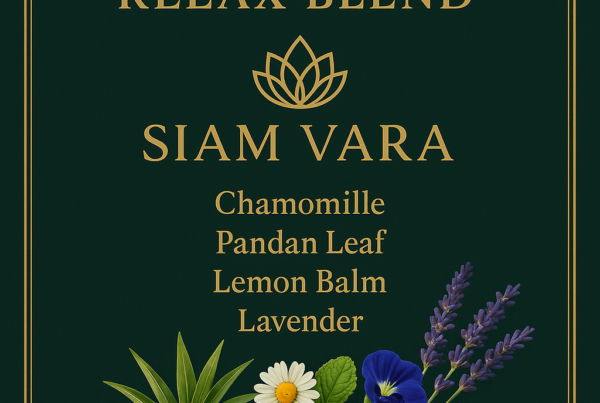
Aroma is another factor that favors hot tea for relaxation purposes specifically. Heat helps release the volatile aromatic compounds in herbs like lavender, pandan, and chamomile more readily than cold water does, which means a hot cup typically delivers a fuller, more noticeable fragrance. Since aroma plays such a large role in how calming a beverage feels — think of how a scent alone can shift your mood — this is a meaningful advantage if your goal is specifically a soothing, wind-down experience in the evening.
That said, iced herbal tea is far from a lesser option — it simply serves a different purpose. On a hot evening, or in a climate where a steaming mug feels like the last thing you want before bed, cold tea can actually support relaxation better than a hot beverage would, simply because it is more comfortable and refreshing to drink. Discomfort from heat is its own kind of restlessness, and a tea that feels good to drink in the moment is more likely to actually become a sustained nightly habit than one that fights against the weather.
How to Make Iced Herbal Tea Well
The simplest approach to iced herbal tea is to brew it hot first, at full strength or even slightly stronger than usual, and then cool it down over ice or in the refrigerator. Brewing at a higher concentration before chilling helps compensate for the way cold dilutes and mutes flavor, so the tea does not taste watered-down once it is chilled. A pyramid tea bag steeped for a few extra minutes in a smaller amount of hot water, then poured over ice, tends to produce a more flavorful iced cup than simply steeping directly in cold water, which draws out flavor much more slowly.
Some people also enjoy a cold-brew approach, steeping the tea bag directly in cold or room-temperature water in the refrigerator for several hours or overnight. This method extracts flavor more gently and gradually, often producing a smoother, less bitter cup, though it does require planning ahead compared to the quicker hot-brew-then-chill method.
Either way, iced herbal tea can absolutely be part of an evening relaxation ritual — it does not have to be reserved for daytime refreshment. A chilled glass of a chamomile, lemon balm, and butterfly pea blend on a warm evening can feel just as calming as a hot cup on a cooler night, especially once you get past the assumption that “relaxing tea” has to mean hot tea.
Choosing Based on Season and Mood
In practice, many people naturally shift between hot and iced versions of the same tea depending on the season, without giving it much conscious thought — hot in cooler months, iced during summer heat. There is no rule requiring you to pick one version and stick with it year-round. The underlying herbs and their calming, caffeine-free qualities remain the same either way; only the format changes.
If you are undecided, a reasonable approach is to let the weather and your own comfort guide the choice on any given evening, rather than treating hot tea as the only “proper” way to enjoy a relaxing blend. The consistent ritual — brewing, pausing, sipping slowly — is what supports winding down, regardless of whether the cup in your hand is warm or cold.