
Few ingredients in the herbal tea world are as visually striking as butterfly pea flower. Steep its deep indigo-blue petals in hot water, and you’re left with a strikingly vivid blue tea — one that has a habit of stealing the show before a single sip is taken. Native to Southeast Asia and long used throughout the region in both cooking and traditional herbal practice, butterfly pea has, in recent years, become something of a global sensation for its natural color-changing properties, appearing in everything from lattes to cocktails to calming evening tea blends.
Butterfly pea (Clitoria ternatea) is a flowering vine native to tropical Asia, recognizable by its striking, deep-blue, butterfly-shaped petals — the source of both its common name and its scientific one, which references the flower’s resemblance to certain shapes. The plant grows readily in warm, humid climates and has long been cultivated across Thailand, Malaysia, Vietnam, and neighboring countries, where its flowers have traditionally been used to naturally dye rice, desserts, and drinks a brilliant blue without the need for artificial coloring.
In Thai culture particularly, butterfly pea — known locally as “anchan” — has a long-standing place in traditional cuisine and herbal drinks. It has traditionally been brewed into refreshing beverages, often served over ice or blended with other ingredients, and its striking color has made it a natural favorite for special occasions and everyday enjoyment alike. Beyond its visual appeal, butterfly pea has also held a place in traditional herbal practice, where it has often been associated with a mild, gentle, calming quality — a reputation that has helped it earn a spot in modern bedtime tea blends.
The Science-Meets-Tradition of Its Color Change
What makes butterfly pea so captivating is its natural sensitivity to pH. The flower’s deep blue pigments are a class of natural plant compounds called anthocyanins, the same broad family of pigments responsible for the reds, purples, and blues found in foods like blueberries and red cabbage. When butterfly pea is steeped in plain water, it produces a vivid blue infusion. But introduce something acidic — a splash of lemon juice, for instance — and the tea shifts dramatically, turning a rich shade of purple or even pink, depending on how much acid is added. This is a simple, natural chemical reaction, not a food coloring trick, and it’s part of what makes butterfly pea such a popular ingredient for visually engaging drinks.
This color-changing quality has made butterfly pea something of a favorite for people who enjoy a bit of ritual and visual delight in their tea routine. Watching a cup shift from deep blue to soft violet with a single squeeze of citrus can turn an ordinary evening tea break into a small, engaging moment — a bit of gentle theater that adds enjoyment to the process of winding down.
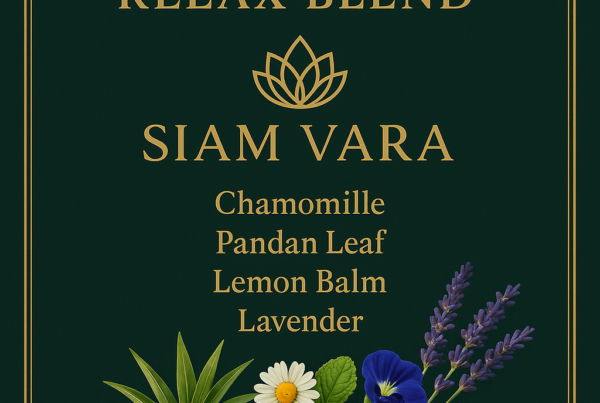
Because butterfly pea has a very mild, slightly earthy flavor on its own, it’s often blended with other herbs and botanicals rather than brewed alone. This makes it a popular choice in mixed herbal blends, where it contributes color and a subtle, traditionally soothing character without overpowering the other flavors in the cup — a quality that has helped it earn a place in evening blends alongside herbs like chamomile, lavender, and lemon balm.
Brewing Butterfly Pea Tea at Home
To brew butterfly pea flower tea, steep the dried flowers in water just off the boil, around 90 to 95°C, for about 5 to 7 minutes. The longer the flowers steep, the deeper and more vivid the blue color becomes. For a fun and visually engaging twist, add a few drops of lemon or lime juice after steeping and watch the color transform in real time — a simple trick that works wonderfully for both solo enjoyment and sharing with guests.
Butterfly pea is naturally caffeine-free, making it an easy addition to an evening tea routine without concern about it affecting sleep. In many modern herbal blends, it’s paired with other calming botanicals — chamomile for softness, lavender for aroma, lemon balm for brightness, and pandan for a touch of sweetness — to create a well-rounded cup that’s both visually beautiful and traditionally associated with relaxation. Blends like Siam Vara’s Sleep & Relax pyramid tea bags include butterfly pea alongside these other herbs, giving the tea its distinctive blue-toned hue as part of a broader evening ritual.
As part of a nightly wind-down, brewing a cup of butterfly pea tea can be a small, sensory pause — watching the color bloom into the water, taking in its mild, earthy aroma, and enjoying a moment that engages sight as much as taste. It’s a gentle reminder that a calming tea ritual doesn’t have to be purely about flavor; sometimes, a little visual wonder is part of what makes the moment feel special.