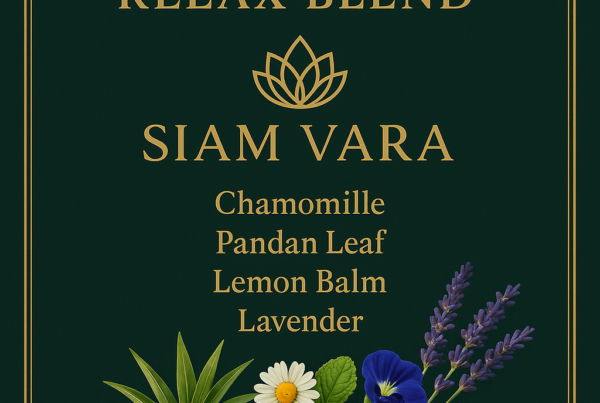

Hospitality holds a special place in Thai culture, often expressed through small, thoughtful gestures rather than grand displays. Offering a guest something warm to drink is one of the simplest and most enduring of these gestures—a quiet way of saying “you are welcome here” without needing to say much at all.
This spirit connects closely to a broader Thai cultural value sometimes described as “namjai,” loosely meaning generosity of heart or spirit. Namjai shows up in countless everyday interactions, from sharing food with neighbors to helping a stranger without expecting anything in return. Preparing and sharing an herbal drink fits naturally within this value, since it requires effort, attention, and a willingness to slow down for someone else’s comfort.
In many Thai households, offering a warm drink to a visitor is almost automatic, a reflex of politeness ingrained from a young age. It doesn’t need to be elaborate—simple herbal infusions, made from whatever fragrant leaves or flowers are on hand, are often enough. What matters is the gesture itself: taking a moment to care for someone else’s comfort, even briefly.
This tradition of hospitality through tea isn’t limited to formal occasions. It appears in ordinary daily life, too—a family member preparing a warm drink for someone who has had a long day, or a host quietly refilling a guest’s cup during conversation. These small acts accumulate into a broader cultural rhythm where warmth, both literal and figurative, is shared freely.
Tea as a Language of Care
There’s something universal about the idea that a warm drink can communicate care without words. In Thai culture, this idea feels particularly natural, woven into everyday interactions rather than reserved for special ceremonies. A cup of herbal tea offered to a tired guest, a stressed family member, or a visiting friend becomes a small but meaningful gesture of attentiveness.
This is part of why herbal tea in Thailand has never felt purely functional. It carries social and emotional weight, tied to relationships and moments of connection. Even today, sharing tea remains a quiet ritual of consideration—an acknowledgment that someone’s comfort matters enough to pause and prepare something for them.
Bringing This Spirit Into Everyday Rituals
Modern life often leaves little room for these small rituals of care, especially the ones we might extend to ourselves. Yet the underlying idea—that preparing a warm drink can be an act of attentiveness—translates surprisingly well into a personal evening routine, even when there’s no guest to share it with.
Brewing a cup of herbal tea before bed can become its own small act of hospitality, directed inward. Taking a few quiet minutes to prepare a warm, fragrant drink mirrors the same spirit of care that has long defined Thai hospitality, just redirected toward oneself after a demanding day. Whether shared with others or enjoyed alone, this simple ritual carries forward a tradition built on warmth, attentiveness, and the quiet belief that a little care, however small, is always worth offering.