
Cortisol is often described as the body’s primary stress hormone, and it plays an important role in regulating energy, alertness, and the body’s response to demanding situations. Under normal, healthy conditions, cortisol follows a predictable daily rhythm: it rises in the early morning to help you wake up and feel alert, then gradually declines throughout the day, reaching its lowest levels in the evening and night, when the body is preparing for rest. This natural decline is part of what makes it easier to relax and eventually fall asleep as the day winds down.
Modern life, however, doesn’t always cooperate with this rhythm. Work stress, difficult conversations, financial worries, and the general pace of a demanding day can keep stress hormone levels elevated well into the evening, even after the original stressful event has passed. This is sometimes described as carrying the day’s stress into the night — your mind and body remain in a heightened, alert state that works against the natural evening decline your body is trying to achieve.
This matters for sleep because an elevated stress response is, in many ways, biologically incompatible with easy, restful sleep. Falling asleep quickly and sleeping soundly generally requires a state of relative calm — a lowered heart rate, relaxed muscles, and a quieter mind. When stress hormones remain elevated, that transition becomes considerably harder, which is part of why particularly stressful days often correlate with restless nights, even when a person feels physically exhausted.
Why a Deliberate Pause Can Help
Given this, one of the more practical strategies for supporting evening relaxation is to create a deliberate pause between the end of your active, stress-exposed day and the beginning of your sleep period. This pause doesn’t need to be long or elaborate — even fifteen to thirty minutes of calm, low-stimulation activity can help create a buffer that allows your body’s stress response to begin settling before you attempt to sleep.
This is a concept sometimes referred to as “transition time,” and it’s a recurring theme in sleep hygiene advice. Rather than moving directly from a stressful task, a stimulating screen, or a demanding conversation straight into bed, building in a short period of calm activity gives your body a chance to shift gears. Many people who struggle to fall asleep quickly are, in effect, trying to sleep while still in an activated, daytime state of mind — and a transition pause is one of the more effective ways to address that mismatch.
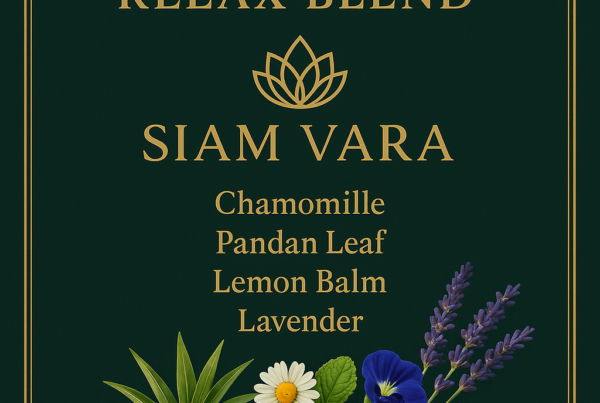
Various activities can serve as this kind of pause: light stretching, slow breathing exercises, reading something undemanding, or simply sitting quietly. A calming ritual like preparing and drinking a warm, caffeine-free herbal tea is a particularly accessible option, since it naturally builds in a few unhurried minutes and doesn’t require any special skill or setup.
What This Kind of Ritual Can Realistically Offer
It’s worth being clear that a calming evening pause — whether it involves tea, breathing exercises, or quiet reading — is not a treatment for chronic stress or anxiety, and it will not eliminate elevated cortisol levels caused by ongoing, significant life stressors. Persistent stress that interferes with daily functioning or sleep is worth addressing with appropriate support, which may include speaking with a healthcare professional. Lifestyle rituals work best as a complement to, not a replacement for, addressing the underlying sources of stress in your life.
That said, for the ordinary, day-to-day stress that most people carry home from work, errands, and daily responsibilities, a short, consistent evening pause can be a genuinely useful tool. It offers a clear, repeatable signal to your nervous system that the demands of the day are over, even if only symbolically, and gives your body a small window of calm in which its natural evening processes — including the decline of cortisol and the rise of melatonin — can proceed with less interference.
Many people find that framing their evening tea ritual specifically as a “stress pause,” rather than just a beverage, changes how they experience it. It becomes less about the tea itself and more about the permission to stop, breathe, and let the day end — a small but meaningful act of care that, practiced consistently, can make the transition into sleep feel noticeably more manageable.