
Walk down the tea aisle of any grocery store and you will find two very different worlds sharing the same shelf. On one side sit the traditional teas: black, green, white, and oolong, all descended from a single plant. On the other side sits a colorful, fragrant category often called herbal tea, made from flowers, leaves, roots, and spices that have nothing botanically in common with that plant at all. Understanding the difference between these two categories is the first step toward building a tea habit that actually suits your lifestyle, your schedule, and your body.
True tea, in the strictest sense, comes from a single evergreen shrub called Camellia sinensis. Every cup of black, green, white, oolong, or pu-erh tea is made from the leaves of this one plant, and the differences between them come down to how the leaves are processed after harvest. Green tea is minimally oxidized, black tea is fully oxidized, and oolong sits somewhere in between. Because all of these teas share a common origin, they also share a common trait: they naturally contain caffeine, along with a compound called L-theanine that is often discussed alongside it.
Herbal tea is a different story entirely, and tea experts often prefer the more precise term “tisane” to describe it. A tisane is simply an infusion of any plant material other than the Camellia sinensis leaf. This means dried chamomile flowers, peppermint leaves, ginger root, hibiscus petals, rooibos, and countless other botanicals all fall under the herbal tea umbrella. Because none of these plants are botanically related to true tea, herbal blends are naturally caffeine-free, which is one of the main reasons people reach for them in the evening or when they simply want to cut back on stimulants.
Flavor, Ritual, and Chemistry
The flavor profiles of these two categories also diverge in interesting ways. Traditional teas tend to share a family resemblance, a certain “tea-like” brothy or grassy quality that runs through green, black, and oolong varieties even as their specific notes vary widely. Herbal blends, by contrast, can taste like almost anything, because they draw from the entire plant kingdom. A blend built around chamomile and lavender might taste soft, floral, and slightly sweet, while one built around ginger and citrus peel can taste bright, spicy, and warming. This variety is part of what makes exploring herbal tea so enjoyable; there is genuinely a flavor for nearly every mood and every time of day.
Brewing the two categories also tends to differ slightly. Delicate green and white teas are often brewed with cooler water and shorter steep times to avoid bitterness, while herbal blends are generally more forgiving. Most dried flowers, leaves, and roots can be steeped in freshly boiled water for a longer period, often five to seven minutes or more, without turning unpleasantly bitter. This makes herbal tea a particularly relaxed, low-fuss category for anyone who does not want to fuss over water temperature and timing.
Another meaningful distinction lies in how these teas are typically enjoyed throughout the day. Because traditional teas contain caffeine, many people treat them the way they treat coffee, as a morning or early-afternoon pick-me-up that supports focus and alertness. Herbal blends, being naturally free of caffeine, are far more flexible. They can be sipped at any hour without the worry of disrupting sleep later that night, which is why so many caffeine-free blends are formulated specifically as evening or bedtime companions.
Choosing Between Them, or Enjoying Both
It is worth saying clearly that neither category is inherently “better” than the other; they simply serve different purposes. Someone who wants a gentle lift of alertness during a busy workday might reach for green or black tea, while someone winding down after dinner might prefer a caffeine-free herbal blend designed for relaxation. Many enthusiastic tea drinkers keep both on hand and choose based on the moment, treating tea less like a single fixed habit and more like a flexible tool that adapts to the time of day and the mood they are hoping to create.
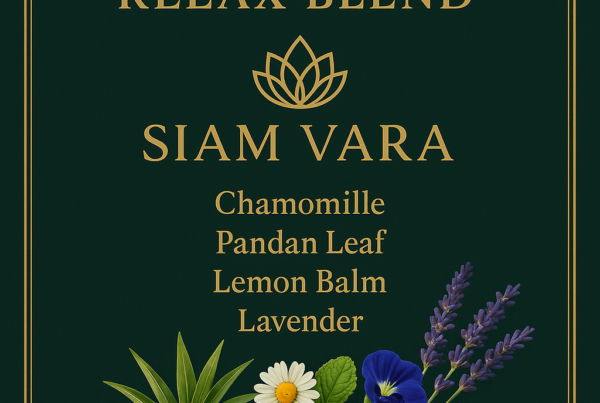
A caffeine-free herbal blend made from ingredients like chamomile, pandan leaves, lemon balm, butterfly pea, and lavender, such as the Sleep & Relax Blend from Siam Vara, is a good example of how the tisane category can be thoughtfully composed. Each of those botanicals brings its own color, aroma, and character to the cup, resulting in a drink that is naturally free of caffeine while still offering a rich, layered sensory experience, rather than something that feels like a compromise next to traditional tea.
Ultimately, the choice between herbal tea and traditional tea comes down to what you are looking for in that particular cup. If you want a natural source of caffeine paired with centuries of tradition, true tea delivers that beautifully. If you want a caffeine-free ritual that can be enjoyed morning, noon, or night, built from an almost limitless palette of botanicals, herbal tea is worth exploring in depth. Learning this distinction is not just trivia; it is the foundation for making informed, intentional choices about what goes into your cup and how it fits into your daily rhythm.
As with any dietary habit, it is sensible to remember that herbal tea is a pleasant lifestyle addition rather than a medical treatment. Some botanicals can interact with medications or are not recommended during pregnancy, so anyone managing a health condition, taking prescription medication, or who is pregnant or breastfeeding should check with a doctor or pharmacist before making herbal tea a regular part of their routine.