
Few herbs carry as gentle a reputation as chamomile. With its small, daisy-like flowers and faintly apple-scented aroma, chamomile has been steeped into cups of tea for thousands of years, long before “wellness ritual” was a phrase anyone used. It grows low to the ground in sunny meadows across Europe, North Africa, and parts of Asia, and its cheerful white-and-yellow blooms have made it one of the most recognizable botanicals in herbal tea culture. Today, chamomile is often the first herb people reach for when they want to unwind at the end of a long day, and its popularity shows no sign of fading.
The word “chamomile” comes from the Greek “khamaimēlon,” meaning “ground apple,” a nod to the soft, fruity fragrance the flowers release when crushed or steeped in hot water. Ancient Egyptians reportedly valued the plant highly, associating it with the sun for its bright appearance, and it later became a staple of traditional practices throughout the Mediterranean and Europe. Two main varieties are used in tea today: German chamomile and Roman chamomile, both of which share a similar look and a similarly mild, honeyed flavor, though German chamomile is the more commonly cultivated variety for culinary and tea use.
What makes chamomile so beloved isn’t just its taste, but the ritual around it. For centuries, people in many cultures have turned to a warm cup of chamomile in the evening as part of winding down, long before scientists ever studied the plant. This kind of generational, word-of-mouth tradition is part of what gives chamomile its enduring reputation as a “bedtime herb” — it’s less about a single discovery and more about a long, quiet history of people finding comfort in the same simple cup, night after night, across generations.
What People Associate Chamomile With
Ask most people what comes to mind when they hear “chamomile tea,” and you’ll likely hear words like cozy, gentle, soothing, or nighttime. It has become something of a cultural shorthand for taking a pause — the tea you make when you want to signal to yourself that the day is winding down. Many people find the act of brewing a cup of chamomile calming in itself, separate from the tea’s flavor: the warmth of the mug, the soft floral steam, and the few quiet minutes it takes to steep all become part of a small self-care ritual.
In herbal tradition, chamomile has long been associated with easing a restless mind and settling the stomach after a meal, which is part of why it’s such a popular after-dinner choice. While chamomile should never be treated as a substitute for medical care, many people find that sipping it in the evening is a simple, comforting way to mark the transition from a busy day into a more relaxed state of mind. It’s worth noting that these associations are rooted in tradition and personal experience rather than being medical claims — chamomile is a lifestyle companion, not a treatment.
Chamomile’s mild, naturally slightly sweet flavor also makes it one of the most approachable herbal teas for newcomers. Unlike some stronger, more medicinal-tasting herbal infusions, chamomile tends to be gentle on the palate, with soft apple and honey notes that make it easy to enjoy on its own or blended with other calming botanicals like lavender or lemon balm.
Brewing Tips and Evening Ritual Ideas
Brewing a good cup of chamomile is simple, but a few small details make a noticeable difference. Use water just off the boil — around 90 to 95°C — and steep whole or coarsely cut chamomile flowers for about 5 to 8 minutes. A longer steep draws out more of the flower’s soft floral character, while a shorter steep keeps the cup lighter and more delicate. Covering the cup while it steeps helps trap the aromatic oils that give chamomile its fragrance, so consider using a lidded mug or a small saucer over the top.
Because chamomile is naturally caffeine-free, it’s an easy tea to enjoy at any point in the evening without worrying about it interfering with sleep the way coffee or black tea might. Many people like to pair their chamomile with a small evening ritual: dimming the lights, putting the phone away, and taking a few slow sips while doing something unwinding, like reading or journaling. A drop of honey can round out the flavor if you prefer a touch of sweetness, and a small squeeze of lemon can brighten the cup for those who enjoy a bit of citrus contrast.
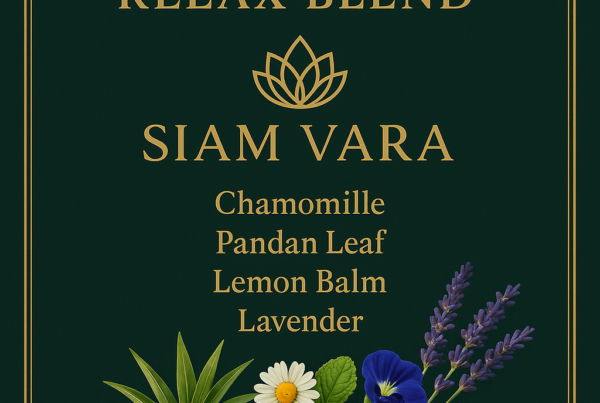
Chamomile also blends beautifully with other herbs commonly found in calming tea mixes, such as lavender for its aromatic depth, lemon balm for a citrusy lift, or pandan for a subtly sweet, grassy note that’s especially popular in Southeast Asian herbal traditions. Blends like these — sometimes featured in botanical tea lines such as Siam Vara’s Sleep & Relax pyramid bags — combine chamomile with other traditionally soothing herbs to create a more layered evening cup, offering both variety and the familiar comfort chamomile is known for.
Ultimately, chamomile’s staying power comes down to its simplicity. It doesn’t demand much from the drinker — no elaborate preparation, no acquired taste — just hot water, a few minutes of patience, and a quiet moment to enjoy it. Whether you’re new to herbal tea or have been drinking chamomile since childhood, it remains one of the most reliable, comforting cups to reach for when the day is done.