
“Antioxidants” is one of those words that shows up constantly on tea packaging, wellness blogs, and supermarket shelves, often without much explanation of what it actually means. For many people, the term has become a vague stamp of approval rather than a concept they truly understand. Taking a moment to unpack what antioxidants are, where they come from, and what role they may play in a cup of herbal tea can help turn a marketing buzzword into genuinely useful knowledge.
At a basic level, antioxidants are naturally occurring compounds found throughout the plant kingdom. Plants produce them partly as a form of self-defense, helping protect their own cells from environmental stress such as sunlight and oxygen exposure. When we consume plants, whether as food or as an infusion like tea, we take in some of these same compounds. In the body, antioxidants are generally understood to help neutralize unstable molecules known as free radicals, which are produced naturally through everyday processes like metabolism, as well as through external factors like pollution and sun exposure.
It is worth being precise about the science here rather than overstating it. Free radicals themselves are a completely normal part of how the body works, and antioxidants are simply one part of a much larger, well-balanced system the body uses to maintain equilibrium. Describing antioxidants as compounds the body may benefit from as part of an overall healthy, varied diet is an accurate, responsible way to think about them, rather than treating them as a magic ingredient that single-handedly prevents disease or reverses aging.
Where Antioxidants Come From in Tea
In traditional teas made from Camellia sinensis, much of the antioxidant interest centers on a group of plant compounds called polyphenols, particularly catechins, which are especially abundant in green tea. In herbal tea, the picture is a little different and arguably more diverse, because every distinct botanical brings its own unique mix of plant compounds to the cup. Hibiscus, for example, owes its deep red color to a class of pigments called anthocyanins, which are widely discussed in the context of antioxidants. Butterfly pea flower, known for its striking natural blue color, contains similar pigment compounds. Chamomile contributes its own set of flavonoids, as do lemon balm and lavender.
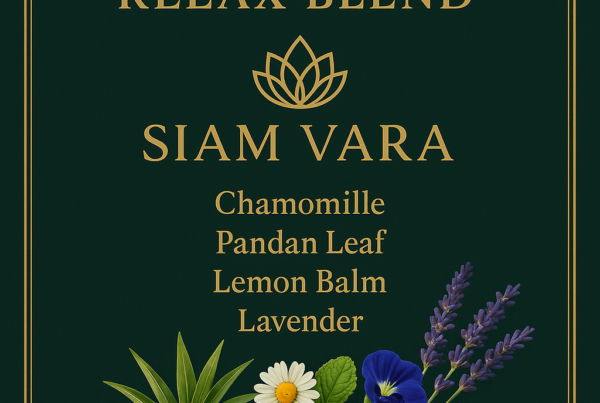
This diversity is actually one of the more interesting aspects of drinking a varied herbal tea blend rather than a single-ingredient infusion. Because different plants contain different families of antioxidant compounds, a well-composed multi-herb blend may offer a broader spectrum of these plant compounds than any single herb could on its own. This is one of the quieter appeals of a five-herb blend like Siam Vara’s Sleep & Relax Blend, which combines chamomile, pandan leaves, lemon balm, butterfly pea, and lavender; each botanical contributes its own distinct profile of natural plant compounds alongside its own color, aroma, and flavor.
Keeping Expectations Realistic
It is important to resist the temptation to treat a cup of herbal tea as a substitute for a balanced diet rich in vegetables, fruits, and whole foods, which remain the primary and most well-established sources of dietary antioxidants. Tea can be a pleasant complement to that kind of diet, not a replacement for it. Responsible language matters here too: it is accurate to say herbal tea “contains” or “may offer” certain antioxidant plant compounds, but it would be misleading to claim that drinking tea alone treats or prevents any specific illness. No cup of tea, however carefully blended, should be understood as a medical intervention.
A few practical factors do influence how many of these plant compounds actually end up in your cup. Steeping time and water temperature both matter, since compounds are extracted from dried plant material gradually as it infuses in hot water; a longer steep generally draws out more of a plant’s natural compounds than a very brief one. The quality and freshness of the dried herbs themselves also play a role, since properly dried, well-stored botanicals tend to retain more of their natural character than herbs that have been sitting exposed to light and air for a long time. This is one reason quality packaging and reasonably fresh sourcing genuinely matter for herbal tea, beyond just flavor.
There is also real pleasure to be found simply in the sensory side of antioxidant-rich herbs, independent of any physiological discussion. The vivid blue of butterfly pea, the deep red of hibiscus, the soft green of pandan leaves, these visual and aromatic qualities are, in a sense, a visible signal of the rich plant chemistry inside the leaf or petal. Appreciating that complexity is part of what makes drinking a thoughtfully blended herbal tea more interesting than simply swallowing a supplement.
In the end, understanding antioxidants in herbal tea is about calibrating expectations correctly. These plant compounds are a genuinely interesting, naturally occurring feature of many botanicals, and enjoying a varied, well-made herbal tea blend is a reasonable, pleasant way to include more plant-derived compounds in your routine. It is simply not, and should never be marketed as, a cure or a guaranteed health outcome. Anyone with specific health concerns should rely on medical guidance from a qualified professional rather than on tea packaging, however appealing that packaging might be.