
Starting a new habit is always easier said than done, and a herbal tea habit is no exception, even though it sounds simple on the surface. The good news is that herbal tea is one of the lowest-friction, most forgiving habits you can build, requiring no special equipment, no significant time commitment, and no steep learning curve. This guide walks through practical, beginner-friendly steps for turning “I should drink more herbal tea” into an actual, sustainable part of your daily routine.
The first step is choosing the right entry point, and for most beginners, that means starting with caffeine-free herbal blends rather than diving straight into the more technical world of traditional green, black, or oolong tea. Herbal blends are generally more forgiving to brew, since most dried flowers, leaves, and roots can handle a longer steep in fully boiled water without turning bitter, unlike some delicate green teas that require precise water temperature. This forgiving nature makes herbal tea an ideal starting point for anyone new to a regular tea habit, since early mistakes are far less likely to ruin the cup.
Anchor the Habit to an Existing Routine
One of the most reliable ways to build any new habit is to anchor it to something you already do consistently, rather than trying to remember it as a completely standalone task. For a herbal tea habit, natural anchor points might include right after dinner, during a specific television show you watch most evenings, or as part of an existing wind-down routine like reading before bed. By attaching the new habit of brewing tea to an old, established behavior, you remove much of the mental effort of remembering to do it, since one action naturally cues the next.
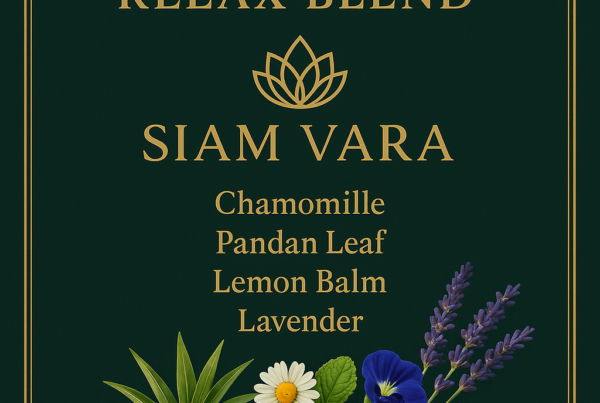
Because caffeine-free herbal tea carries no risk of disrupting sleep, the evening is a particularly natural and popular anchor point for beginners. A pyramid tea bag blend designed specifically for this purpose, such as Siam Vara’s Sleep & Relax Blend with its chamomile, pandan leaves, lemon balm, butterfly pea, and lavender, works well as an evening anchor precisely because it removes any decision-making friction: you already know what to reach for once the routine is set, rather than facing an overwhelming wall of options in the tea cabinet every single night.
Make the Process Itself Enjoyable
Beyond timing, the physical process of making tea matters more than beginners often realize. Investing in a good mug, one that genuinely feels nice to hold, can make a noticeable difference in how much you look forward to the ritual. Paying attention to small sensory details, such as watching a butterfly pea blend bloom into its natural blue color, or breathing in the aroma of pandan and lavender as the tea steeps, turns a purely functional task into something genuinely enjoyable to look forward to, which is ultimately what makes any habit stick over the long run.
Steeping time is worth getting right from the very beginning, since an underbrewed cup is one of the most common reasons new tea drinkers feel unimpressed and give up early. Most herbal blends benefit from a full five to seven minutes of steeping in freshly boiled water, sometimes even longer for a bolder cup, so resist the urge to remove the tea bag after only a minute or two. Setting a simple timer during the first few weeks can help you learn your own preferred strength before it becomes second nature.
Variety also plays an important role in helping a habit last, even within a single favorite blend. Some evenings you might prefer your tea very hot, sipped slowly right after brewing; other evenings, especially in warmer weather, you might let it cool and enjoy it over ice as a refreshing chilled drink instead. Because herbal tea contains no caffeine, there is no need to worry about timing it carefully around sleep, which frees you to enjoy it however and whenever genuinely suits your mood.
Finally, be patient and realistic with yourself as the habit takes shape. Missing an occasional evening is completely normal and not a sign of failure; habits are built through general consistency over weeks and months, not unbroken perfection. Keep tea bags visible and easy to reach, whether on the counter or beside your kettle, since reducing friction is one of the most effective ways to help any new habit take hold and stick around for the long term.
As with any lifestyle change involving herbs, it is worth being mindful that herbal tea is meant to be a pleasant daily habit rather than a treatment for any medical condition, and that some individuals have specific plant sensitivities or allergies. Anyone managing a health condition, pregnant or breastfeeding, or taking regular medication should check with a doctor before making herbal tea a consistent daily habit, just to be safe. For most people, though, building a herbal tea habit is a genuinely simple, low-risk, and rewarding way to add a small pocket of calm to each day.