
There is a persistent, unfair assumption that caffeine-free automatically means flavorless, watery, or somehow “lesser” than a caffeinated cup of coffee or black tea. This assumption probably comes from decades of bland, mass-produced decaf products that genuinely did taste thin and disappointing. But applying that same logic to herbal tea is a mistake, and anyone who has spent real time exploring quality botanical blends knows just how far from the truth it is. Herbal tea, done well, is one of the most flavor-rich, aromatically diverse categories of beverage available, and it happens to contain no caffeine at all.
The reason herbal tea can be so flavorful comes down to its raw materials. Because a tisane can be made from virtually any edible flower, leaf, root, bark, or spice, the category draws on an enormous palette of natural flavors, from the floral sweetness of chamomile to the cooling snap of peppermint, the warm spice of ginger and cinnamon, the tart brightness of hibiscus, and the fragrant, almost dessert-like aroma of pandan leaf. This is a fundamentally different flavor-building approach than caffeinated tea, which, while wonderfully nuanced in its own right, ultimately draws its character from a single plant species.
The Sensory Range of a Well-Built Blend
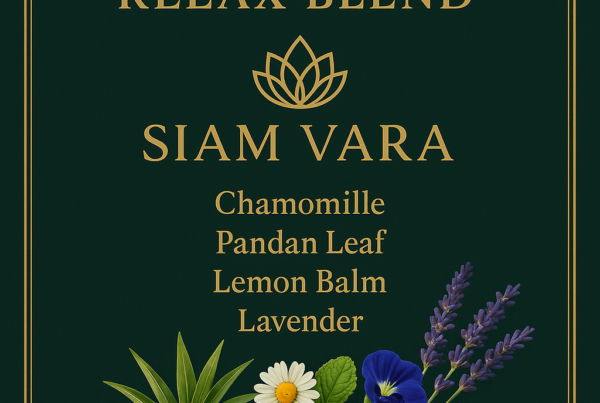
A thoughtfully composed herbal blend does not rely on just one note; it layers several botanicals together the way a perfumer layers notes in a fragrance, or a chef balances flavors in a dish. Consider a blend built around chamomile, pandan leaves, lemon balm, butterfly pea, and lavender, the combination found in Siam Vara’s Sleep & Relax Blend. Chamomile brings a soft, apple-like sweetness. Pandan leaf contributes a warm, almost vanilla-like, grassy aroma that is beloved across Southeast Asian cooking and drinks. Lemon balm adds a bright, citrusy lift without any actual citrus. Butterfly pea offers a mild, earthy backdrop along with its striking natural blue color. Lavender rounds things out with a gentle floral perfume. Together, these five botanicals create a layered sensory experience that has nothing to do with caffeine and everything to do with thoughtful blending.
Aroma, in particular, deserves more credit than it usually gets when people talk about tea flavor. A significant portion of what we perceive as “taste” is actually driven by smell, which is why steeping herbal tea and simply inhaling the rising steam before the first sip is such an important part of the experience. Herbal blends tend to be especially aromatic because dried flowers and leaves release volatile fragrance compounds readily in hot water, filling a room with scent well before the tea ever touches your tongue.
Brewing for Maximum Flavor
Getting the most out of a caffeine-free blend does require a bit of attention to brewing, just as it would with any tea. Using freshly boiled water and allowing a full five to seven minutes of steeping time, sometimes longer, gives the dried botanicals enough time to release their full range of flavor and aroma compounds. Under-steeping is the most common reason people find herbal tea underwhelming; a rushed one-minute steep barely scratches the surface of what a good blend can offer. Covering the cup or teapot while it steeps also helps trap the aromatic steam rather than letting it escape, which noticeably improves the final flavor.
The format of the tea bag itself can matter too. Pyramid-style tea bags, which are roomier and more spacious than flat paper bags, give dried herbs and flowers more room to expand and move freely in the water, similar to loose-leaf brewing. This extra space allows water to circulate more evenly around the botanicals, which can lead to a fuller, more complete extraction of flavor compared to a cramped, flat bag.
There is also something to be said for temperature versatility when it comes to flavor enjoyment. Because herbal tea has no caffeine to worry about, it can be sipped hot on a cool evening or chilled over ice on a warm afternoon without any concern about caffeine timing. Many herbal blends, including floral and fruity ones, actually shine when served cold, taking on a refreshing, almost soda-like brightness that makes them a genuinely satisfying warm-weather drink as well.
The next time you find yourself assuming that caffeine-free automatically means boring, consider giving a well-made herbal blend a proper, patient steep and paying close attention to the aroma, the color, and the layered flavor notes. Caffeine has never been what makes a tea flavorful; thoughtful sourcing, quality botanicals, and careful blending are what do that job, and herbal tea has plenty of room to excel on exactly those terms.