
Herbal tea has built a reputation as one of the gentlest, most wholesome drinks around, and walking into a specialty tea shop can feel a bit like walking into an apothecary of good intentions. Chamomile for calm, peppermint for digestion, ginger for warmth, hibiscus for brightness. But how much of this reputation holds up to a clear-eyed, balanced look, and how much is simply pleasant folklore passed down through generations? The honest answer sits somewhere in the middle, and understanding that middle ground is far more useful than either uncritical enthusiasm or outright dismissal.
To start with what is genuinely true: herbal tea is, in most cases, a simple infusion of dried plant material in hot water, with nothing added beyond that. When you choose a quality herbal blend, you are essentially choosing a warm, calorie-free or very low-calorie beverage made from natural botanicals rather than a sugary soda or an artificially flavored drink. On that basis alone, swapping a sweetened beverage for a cup of herbal tea is a reasonable, sensible choice for many people who are simply trying to drink something enjoyable that is not packed with added sugar.
Beyond that baseline, many individual herbs used in tea blends have long folk histories and are the subject of ongoing scientific interest. Chamomile, for example, is generally considered a calming, gentle herb that many people enjoy as part of a wind-down routine. Lemon balm has a similarly long tradition as a soothing herb. Peppermint is often reached for after a heavy meal. These associations are real and widely held, but it is important to be precise about what they mean: they describe a plant’s traditional reputation and the subjective experience many people report, not a guaranteed medical outcome for every person who drinks the tea.
What “May Offer” Actually Means
This is where careful, honest language matters. A responsible way to describe herbal tea’s role is to say that certain herbs may offer a gentle, soothing quality, or that a warm cup of chamomile tea is generally considered part of a relaxing evening routine. This is meaningfully different from claiming that an herb cures insomnia, treats anxiety, or prevents illness. Herbal tea is a food product and a lifestyle habit, not a regulated medicine, and it has not gone through the rigorous testing that medications undergo to prove they treat specific conditions. Being clear about that distinction is not a disclaimer to skip past; it is the responsible way to think about any wellness habit.
It is also worth acknowledging that “natural” does not automatically mean “risk-free for everyone.” Some individuals are sensitive or allergic to specific botanicals, particularly plants in the daisy family, which includes chamomile, so a person with known plant allergies should read ingredient lists carefully. Certain herbs can also interact with medications or are best avoided during pregnancy. None of this means herbal tea is dangerous for the general population; it simply means that, like any category of food or drink, it deserves a moment of thought rather than blind assumption, especially for anyone managing a health condition or taking prescription medicine.
The Realistic, Everyday Value of Herbal Tea
Where herbal tea genuinely shines is not as a cure for anything, but as a low-risk, enjoyable ritual that can support a healthier overall lifestyle. The simple act of pausing to prepare a warm drink, sitting with it for a few quiet minutes, and sipping slowly can be a meaningful moment of calm in an otherwise busy day. This is a real and valuable benefit, even if it is more about behavior and ritual than about any single compound in the leaves. A cup of tea in the evening can become a signal to your body and mind that the day is winding down, and that signal has worth on its own.
Hydration is another honest, straightforward benefit worth mentioning. Herbal tea is, at its core, mostly water, and choosing a flavorful herbal blend can make it easier for some people to drink more fluids throughout the day, particularly those who find plain water unappealing. Choosing an unsweetened herbal tea over a sugary drink is also a small, sustainable choice that many people find easier to maintain over time than an outright restrictive diet change.
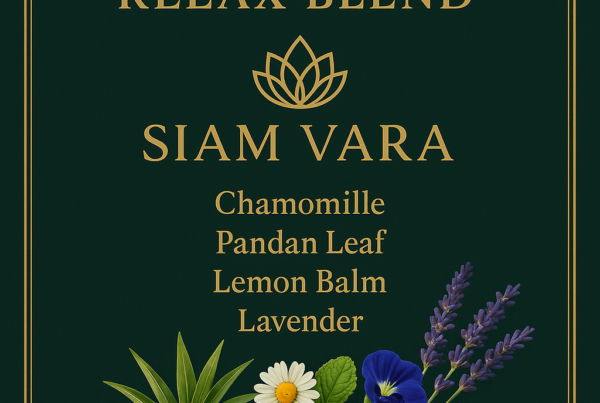
So, are herbal teas actually good for you? The most honest answer is that they are, for most healthy adults, a pleasant, low-calorie, naturally caffeine-free beverage that many people enjoy as part of a relaxing daily ritual, and that certain herbs carry a long tradition of being soothing or comforting. They are not a medical treatment, and no reputable source should claim otherwise. A blend such as Siam Vara’s Sleep & Relax Blend, made from chamomile, pandan leaves, lemon balm, butterfly pea, and lavender, fits this balanced picture well: a thoughtfully composed, natural-ingredient tea meant to be enjoyed as a comforting evening habit, not marketed as medicine.
If you have a specific health concern, are pregnant or breastfeeding, or take regular medication, it is always worth a quick conversation with a doctor or pharmacist before making any herbal tea a daily habit, simply to rule out any interaction specific to your situation. For most people, though, the balanced verdict is reassuring: herbal tea is a genuinely nice thing to include in your day, appreciated for what it is rather than oversold for what it isn’t.