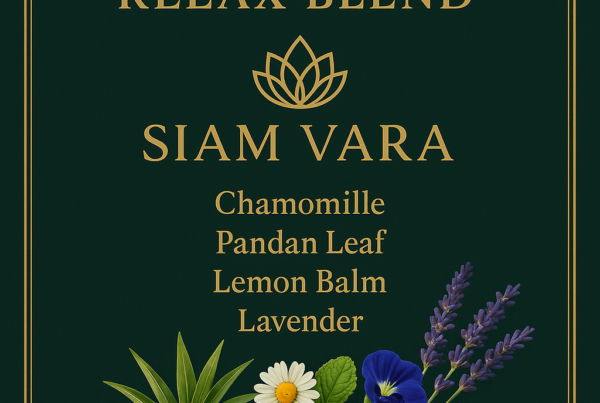

Self-care has become something of a buzzword, often associated with elaborate routines, expensive products, or hour-long rituals that feel out of reach on an ordinary weeknight. But the most sustainable self-care habits are usually the simplest ones, the kind that take five or ten minutes and can realistically happen every single day without requiring extra time, money, or effort. Brewing a cup of herbal tea in the evening is one of those quietly powerful habits. It does not ask much of you, yet it can become an anchor point that marks the transition from the busyness of the day into a slower, more intentional evening.
Part of what makes tea such a good foundation for a self-care ritual is the built-in pause it creates. You cannot really rush a cup of tea. There is a kettle to boil, a few minutes of steeping, and then the tea itself, which is best enjoyed slowly rather than gulped down. This forced slowness is valuable precisely because so much of modern life pushes in the opposite direction, encouraging us to multitask, scroll, and move from one task to the next without a natural stopping point. A tea ritual gives your evening a deliberate stopping point, even if it is a small one.
Building this kind of ritual does not require a major lifestyle overhaul. It can start as something as simple as deciding that once the kitchen is cleaned up after dinner, or once you have changed into more comfortable clothes, you will make yourself a cup of tea. The specific trigger matters less than the consistency. When you repeat the same small sequence of actions at roughly the same time each evening, your mind and body start to associate that sequence with winding down, which can make the transition into rest feel more natural over time.
Designing Your Own Wind-Down Sequence
One helpful approach is to think of your evening tea not as an isolated moment but as the centerpiece of a short sequence of small, calming actions. This might look like dimming the overhead lights, putting your phone on silent and out of reach, boiling the water, and then sitting somewhere comfortable while it steeps. The goal is not to create an elaborate production, but to string together a few simple cues that, together, tell your nervous system that the day is winding down. Many people find that even three or four minutes of this kind of quiet transition feels noticeably different from going straight from a screen to bed.
The choice of tea itself can also become part of the ritual. Caffeine-free herbal blends are a natural fit for an evening routine because you do not have to worry about them interfering with sleep later on. A blend built around calming botanicals, such as chamomile, lavender, and lemon balm, can add a gentle aromatic quality to the ritual that plain water or a caffeinated tea simply cannot offer. The scent of lavender or the faint sweetness of pandan rising from the cup becomes, over time, something your senses start to associate with the comfort of evening, almost like a signal that it is safe to relax.
Making the Ritual Truly Yours
It helps to pair your tea with one other small, enjoyable action rather than trying to do it alongside chores or errands. Some people like to sit by a window and watch the evening light change. Others prefer to sit with a book, a journal, or simply their own thoughts. The specific pairing is far less important than choosing something that feels restful rather than productive. If your evening tea becomes another opportunity to answer emails or scroll through your phone, it loses much of its calming potential, even though the tea itself is still the same.
It is also worth giving yourself permission for this ritual to be imperfect and flexible. Some evenings you might only have two minutes to spare, and that is fine; even a rushed cup of tea, drunk mindfully for those two minutes, is still a small act of care. Other evenings you might have more time and choose to extend the ritual with a longer stretch of quiet. The point of a self-care ritual is not to perform it flawlessly every single day, but to have a reliable, low-pressure habit you can return to whenever you need it.
Over weeks and months, small rituals like this tend to accumulate into something larger than the sum of their parts. A single cup of tea will not undo a stressful day on its own, but a consistent evening habit of pausing, breathing, and giving yourself a few quiet minutes can become a genuinely grounding presence in your routine. Many people describe this kind of ritual as one of the few parts of their day that feels entirely their own, uninterrupted by obligations to anyone else.
If you are looking for a place to start, try committing to just one week of an evening tea ritual, even in its simplest form: boil water, steep your tea, sit somewhere quiet for a few minutes without your phone. Notice how it feels at the end of the week compared to the beginning. Self-care rituals do not need to be complicated to be meaningful; sometimes the smallest, most repeatable habits are the ones that end up mattering most.