
There is a quiet kind of satisfaction in brewing a cup of tea properly. It is one of the few small rituals left in modern life that cannot be rushed without losing something in the process. Herbal tea, in particular, rewards patience. Unlike a quick instant coffee or a grab-and-go energy drink, a well-brewed herbal blend asks you to slow down for just a few minutes, and in return it offers a cup that actually tastes the way it was meant to. If you have ever wondered why your herbal tea sometimes tastes flat, weak, or strangely bitter, the answer usually comes down to a handful of details in how it is brewed.
The first thing to get right is water temperature. This surprises a lot of people, because we tend to assume all tea should be made with boiling water straight off the stove. For true teas like green or white tea, that is often too hot and can scald the delicate leaves. Herbal blends, however, are a different story. Because they are made from dried flowers, leaves, and botanicals rather than the camellia sinensis plant, most herbal infusions actually benefit from a full rolling boil. Freshly boiled water, around 95 to 100 degrees Celsius, helps draw out the full aroma and flavor from ingredients like chamomile flowers, lemon balm leaves, or dried pandan.
Next comes steeping time, which is where a lot of good tea gets ruined by impatience. Many people pour hot water over a tea bag, wait thirty seconds, and pull it out because they are worried about bitterness. With herbal blends, this usually works against you. Most herbal infusions need at least five to seven minutes to properly release their flavor and aroma compounds, and pyramid-style tea bags in particular are designed with extra room for the leaves and flowers to unfurl and move freely in the water. Pulling the bag out too early often means you are drinking mostly hot water with a faint tea-like suggestion, rather than the fuller, rounder cup the blend is capable of producing.
It also helps to cover your cup or teapot while the tea steeps. This might sound like a minor detail, but a lot of the aromatic character in herbal tea lives in the steam. If you leave your mug uncovered, some of that fragrance simply escapes into the air instead of infusing into the water. A small saucer, a lid, or even a folded napkin over the top of your cup can make a noticeable difference in how aromatic the final cup turns out to be, especially with floral or herbaceous blends that rely on delicate volatile oils for their scent.
Choosing the Right Vessel and Water
The vessel you brew in matters more than most people realize. A tea bag steeped in a wide, shallow cup will behave differently than one steeped in a tall, narrow mug, simply because of how much room the leaves have to circulate and how much surface area is exposed to air as it cools. Many tea drinkers find that a taller mug, which keeps the tea bag more fully submerged and gives it room to move, produces a more even and complete infusion. If you are using loose-leaf herbal tea rather than bags, a proper infuser basket that allows water to flow freely through the herbs will always outperform a tightly packed metal ball that restricts movement.
Water quality is another detail worth paying attention to, even though it rarely gets mentioned. Tap water that is heavily chlorinated or has a strong mineral taste can subtly compete with the delicate flavors of a botanical blend, particularly one built around soft, gentle notes like lavender or pandan. Filtered water tends to let those flavors come through more clearly. This does not mean you need an elaborate filtration setup at home; even a simple pitcher filter or letting tap water sit briefly can make a noticeable difference in the final cup.
Building a Brewing Routine You Actually Enjoy
Once you understand the basic mechanics, brewing tea stops being a technical exercise and starts becoming something closer to a small daily ritual. Boiling the water, choosing your mug, watching the color slowly deepen as the tea steeps, and finally taking that first sip are all part of a short sequence that gives your mind a natural pause between one part of the day and the next. Many people find that this five-to-seven-minute window becomes a kind of unofficial transition point, whether that is the shift from work mode into evening mode, or simply a breather in the middle of a busy afternoon.
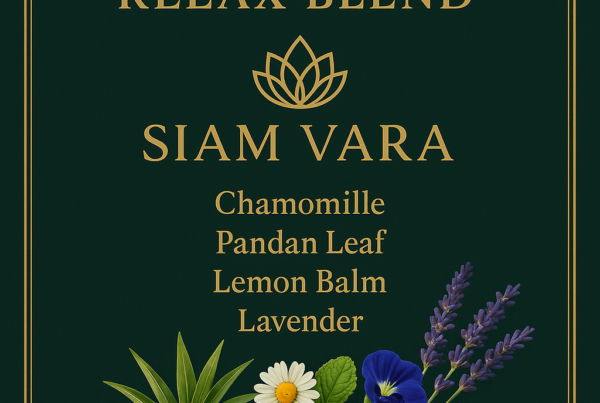
For blends designed with relaxation in mind, such as a five-herb combination of chamomile, pandan, lemon balm, butterfly pea, and lavender, brewing correctly is especially worthwhile because so much of the intended experience depends on aroma. Rushing the steep time on a blend like this means missing out on the gentle floral and herbaceous layers that make it enjoyable to drink slowly. Brands such as Siam Vara design their pyramid tea bags with extra space precisely so the herbs can fully open and release their character, which is a good reminder that the bag itself is engineered for a proper steep, not a thirty-second dunk.
If you want to experiment further, try brewing the same blend at two different steep times, say four minutes and eight minutes, and taste them side by side. You will likely notice the difference immediately, from color depth to the roundness of the flavor. This kind of small experimentation is a low-effort way to get more familiar with how your favorite blends behave, and it can help you dial in the exact strength you personally enjoy.
Finally, resist the urge to add anything until you have tasted the tea plain at least once. Herbal blends, especially caffeine-free ones built for winding down, are often crafted with a specific flavor balance in mind, and a splash of honey or milk can sometimes mask the more subtle notes before you have had a chance to appreciate them. Once you know how the tea tastes on its own, feel free to adjust it to your liking. Brewing tea well is not about following rigid rules; it is about understanding the basics well enough that you can make small, informed choices that consistently lead to a better cup.