
Picking up a box of tea in a store can feel deceptively simple, but the label on that box is actually packed with information worth understanding. Terms like “natural,” “no artificial color,” and “no preservatives” appear constantly on tea packaging, yet many shoppers glance right past them without really knowing what they mean or how to verify them. Learning to read a tea label carefully is a genuinely useful skill, one that helps you make more informed choices and better understand exactly what you are steeping into your cup.
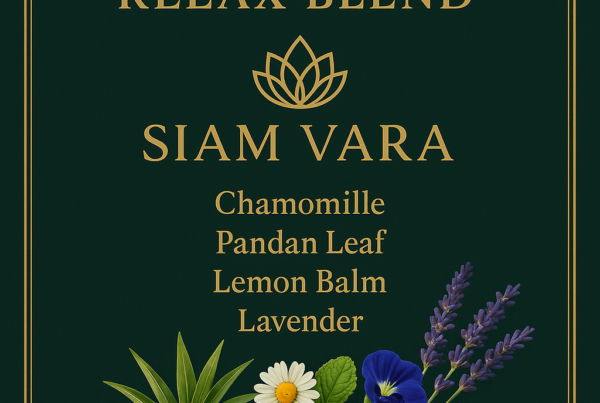
The first and most important place to look is the ingredient list itself. For a genuinely simple, natural herbal tea, this list should be short and recognizable, ideally naming actual plants: chamomile flowers, pandan leaves, lemon balm, butterfly pea flowers, lavender, and so on. If an ingredient list stretches on with unfamiliar chemical names, or lists “natural flavor” without any further detail, that is worth noticing. A short, plant-based ingredient list is generally a good sign that you are looking at a straightforward, minimally processed product rather than something heavily engineered in a lab.
Decoding Common Label Claims
The phrase “no artificial color” is one worth paying particular attention to, especially with herbal blends that already have naturally vivid hues. Butterfly pea flower, for instance, produces a genuinely striking natural blue color entirely on its own, no dye required, and that blue can even shift toward purple or pink when lemon or acid is added to the brewed tea. Hibiscus produces a deep, natural red. When a tea’s color comes from the actual botanicals inside the bag rather than from an added synthetic dye, “no artificial color” is not just a marketing phrase; it is a literal, verifiable description of how the product gets its appearance.
“No preservatives” is another claim worth understanding in context. Dried tea, including dried flowers and leaves, is naturally shelf-stable because most of the moisture has already been removed during processing, which is the same basic principle behind dried fruit, dried herbs used in cooking, and other dehydrated foods. This means a well-made herbal tea genuinely does not need synthetic preservatives to stay fresh for a reasonable shelf life, as long as it is packaged properly and kept away from moisture, direct sunlight, and strong odors that dried botanicals can easily absorb.
“Caffeine-free” is a claim that is usually straightforward but still worth checking against the actual ingredient list rather than taking on faith. A tea is only truly caffeine-free if none of its ingredients include Camellia sinensis in any form, since that is the plant that naturally contains caffeine. A blend built entirely from herbs, flowers, and spices like chamomile, pandan, lemon balm, butterfly pea, and lavender is inherently caffeine-free by nature, simply because none of those ingredients come from the tea plant at all.
Beyond the Ingredient List: Format and Sourcing
Beyond the ingredient list, it is worth glancing at how the tea is packaged and formatted. Pyramid-style tea bags, typically made from a fine mesh material, are often chosen specifically because they allow whole or larger pieces of dried herb and flower to be used rather than the finely ground “dust” sometimes found in cheaper, flat paper tea bags. This can be a subtle but meaningful signal about the quality standard of the product, since whole-leaf and whole-flower ingredients often retain more of their natural aroma and character than dust does.
It is also worth noting what a label does not, and should not, claim. A responsibly marketed herbal tea will describe itself using soft, honest wellness language, phrases like “may offer a soothing quality” or “generally considered relaxing,” rather than making hard medical claims about curing, treating, or preventing any condition. If a tea label makes bold medical promises, that is actually a reason for more skepticism, not less, since herbal tea is a food product, not a regulated medicine, and should be marketed accordingly.
Siam Vara’s Sleep & Relax Blend is a useful reference point for what a clean, well-labeled natural tea looks like in practice: a short list of recognizable botanicals (chamomile, pandan leaves, lemon balm, butterfly pea, and lavender), no artificial color despite the tea’s naturally vivid hues, no added preservatives, and no caffeine, all presented in a pyramid tea bag format designed to let the whole botanicals brew properly. Using a label like this as a mental benchmark can make it much easier to evaluate other tea products you encounter, whether in a store or online.
Ultimately, reading a tea label well is about slowing down for just a moment before you buy. Check the ingredient list for real, recognizable plants. Notice whether color and freshness claims make logical sense given those ingredients. Be wary of vague terms and be reassured by specific, honest ones. This small habit turns tea shopping from a guessing game into an informed decision, and it is a skill that transfers easily to reading labels on other packaged foods as well.