
Over the past decade, wellness travelers and curious consumers around the world have increasingly turned their attention toward Thailand—not only for its beaches and temples, but for its deep-rooted culture of natural, plant-based living. Herbal tea, once a quiet household habit, has become one of the more visible ambassadors of this broader interest in Thai wellness traditions.
Part of this growing attention comes from Thailand’s reputation as a wellness and spa destination. Visitors who experience Thai massage, herbal compress treatments, or aromatic steam rituals during their travels often leave curious about the botanicals behind these experiences. Herbal tea, being simple to bring home and easy to enjoy, has become a natural entry point for people wanting to continue that sense of calm long after their trip has ended.
There is also a broader global shift happening independently of Thailand itself: a growing preference for caffeine-free, naturally flavored beverages as alternatives to sugary or highly processed drinks. As more people look for ways to unwind without relying on alcohol or heavily caffeinated products, botanical infusions rooted in genuine cultural tradition—rather than manufactured trends—hold particular appeal.
Thai herbal tea fits neatly into this shift, but with something extra: a sense of place. Ingredients like pandan and butterfly pea are not generic wellness buzzwords; they carry real cultural weight, tied to Thai cuisine, color, and custom in ways that feel authentic rather than invented for marketing purposes. This authenticity resonates with consumers who are increasingly skeptical of vague “superfood” claims and drawn instead to ingredients with real cultural context.
A Story Worth Telling
Global interest in a product often follows global interest in its story. Thai herbal tea benefits from a narrative that feels both exotic and grounded: exotic in its unfamiliar botanicals and vivid colors, grounded in its everyday, unpretentious role in Thai family life. This combination—novelty paired with authenticity—is part of what makes the category so compelling to international audiences exploring wellness products from different corners of the world.
Social media has also played a role, particularly around visually striking ingredients like butterfly pea, whose natural blue hue and color-shifting properties when mixed with acidic ingredients have made it a popular subject online. While this visual appeal draws initial curiosity, it’s the deeper cultural story—the tradition of home gardens, temple herb plots, and generations of household knowledge—that tends to keep people genuinely interested.
Bridging Tradition and Modern Expectations
For Thai herbal tea to resonate internationally, it has needed to bridge two worlds: honoring traditional botanicals while meeting modern expectations around convenience, quality, and transparency. This is where contemporary brands play an important role, translating loose, home-brewed herbal habits into accessible formats like pyramid tea bags, while staying committed to natural ingredients without artificial colors or preservatives.
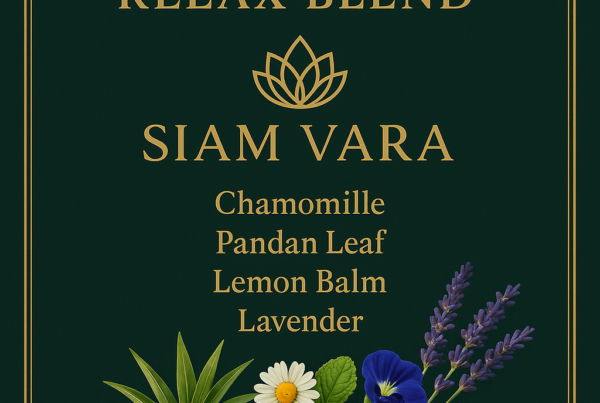
Siam Vara’s Sleep & Relax Blend reflects this bridge well, combining traditional Thai botanicals like pandan and butterfly pea with globally recognized calming herbs like chamomile and lavender, all while keeping the format simple and modern. It’s a small but telling example of how Thai herbal tea tradition can travel—not by abandoning its roots, but by presenting them in a way that feels natural to a global audience seeking a gentle, caffeine-free evening ritual.
As global wellness culture continues to value authenticity, plant-based simplicity, and cultural depth over fleeting trends, it’s easy to see why Thailand’s long, quiet tradition of herbal tea is finally receiving the international attention it has arguably deserved all along.