
If there’s one scent that instantly evokes Thai home cooking, it might just be pandan. Sweet, green, and faintly reminiscent of vanilla and toasted rice, the aroma of pandan leaves has been woven into Thai culinary life for so long that it’s hard to imagine many classic dishes without it. From fragrant sticky rice to delicate custards to refreshing drinks, pandan has earned a permanent place in the Thai kitchen — and, increasingly, in the world of herbal tea and wellness as well.
Pandan (Pandanus amaryllifolius) is a tropical plant native to Southeast Asia, recognized by its long, blade-like green leaves that grow in a distinctive fan-shaped cluster. Unlike many herbs prized for their flowers, roots, or seeds, it’s pandan’s leaves that carry all of its signature fragrance and flavor. This aroma comes from natural aromatic compounds within the leaf, and it’s often compared to a mix of vanilla, jasmine rice, and freshly cut grass — a scent so distinctive that pandan has earned nicknames like the “vanilla of Southeast Asia” among cooks and food lovers around the world.
A Deep Culinary Legacy
In Thai cuisine, pandan’s uses span both savory and sweet dishes. Its leaves are commonly used to wrap rice before steaming, infusing the grains with a subtle sweetness and fragrance, and to wrap other foods like grilled meats or savory snacks, where the leaf imparts flavor while also helping to retain moisture during cooking. In desserts, pandan is perhaps even more central — used to flavor and color everything from custards and cakes to the beloved pandan-infused coconut sweets found throughout the region.
Beyond formal recipes, pandan holds a kind of everyday, generational presence in Thai households. Many people grow up with the scent of pandan tied to memories of grandmothers cooking, festival foods, or the simple comfort of a home-cooked meal. This deep cultural association is part of what makes pandan feel less like an “exotic” ingredient and more like a familiar, comforting presence — one that carries an emotional resonance well beyond its flavor alone.
Pandan’s role in Thai wellness traditions runs alongside its culinary use. Traditionally, pandan leaves have been brewed into simple infusions and enjoyed as a mild, naturally sweet drink, valued for its comforting, soothing qualities as part of everyday life rather than as a medicinal treatment. This tradition of drinking pandan as a calming beverage — separate from its use as a cooking ingredient — laid the groundwork for its modern place in herbal tea blends.
Pandan’s Modern Place in Herbal Tea and Evening Rituals
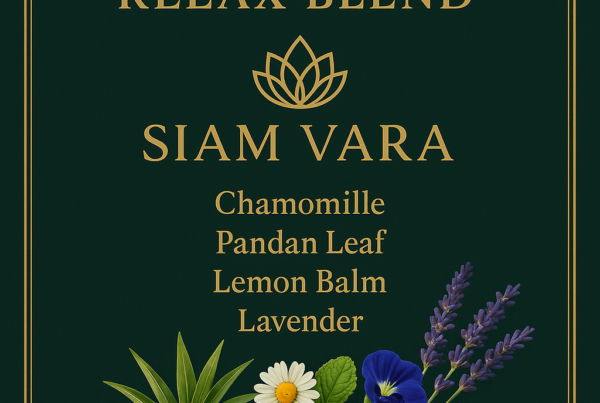
As herbal tea has grown in global popularity, pandan has increasingly found its way into blends designed for relaxation and evening wind-down, often paired with other naturally calming botanicals. Its gentle sweetness and grounding, slightly earthy aroma make it a natural complement to more floral or citrusy herbs — rounding out a blend rather than competing with the other flavors present. In multi-herb bedtime blends such as Siam Vara’s Sleep & Relax pyramid tea bags, pandan is often included alongside chamomile, lemon balm, butterfly pea, and lavender, contributing its distinctive sweetness and a subtle nod to Thai herbal tradition within an otherwise internationally inspired blend.
Part of what makes pandan special in this context is that it brings a genuinely regional character to herbal tea — a flavor and aroma rooted specifically in Southeast Asian tradition, rather than the more commonly seen European or Mediterranean herbs that dominate much of the herbal tea world. For tea drinkers looking to explore beyond the usual chamomile-and-mint offerings, pandan offers a distinctly different, comforting sensory experience.
Brewing pandan tea is straightforward: steep dried pandan leaves in water just off the boil for about 5 to 7 minutes, allowing the natural sweetness and aroma to fully infuse the water. The tea that results is pale, fragrant, and naturally caffeine-free, making it a pleasant option to enjoy at any time of day, but especially fitting as part of an evening ritual, where its warm, familiar sweetness can offer a small, comforting sense of home — no matter where in the world you happen to be drinking it.