
Of all the sensory surprises the world of herbal tea has to offer, few are quite as delightful as watching a cup of deep blue tea shift, almost like magic, into a soft shade of purple or pink with nothing more than a splash of lemon. This is the signature trick of butterfly pea flower tea, and while it might look like something out of a science experiment, the transformation is entirely natural — rooted in simple plant chemistry that has fascinated and delighted people across Southeast Asia for generations, long before it became an internet-famous novelty drink.
Butterfly pea (Clitoria ternatea) is native to tropical Asia and has been cultivated for centuries throughout Thailand and neighboring countries, prized for its vivid blue, butterfly-shaped flowers. In traditional Thai cuisine, these flowers have long been used as a natural dye — coloring sticky rice, desserts, and drinks a striking blue without any artificial additives. Long before “natural food coloring” became a marketing term, butterfly pea was already doing exactly that in kitchens across the region.
The Chemistry Behind the Color Change
The secret to butterfly pea’s dramatic color shift lies in a group of natural plant pigments called anthocyanins. These same pigments are responsible for the vivid colors found in many other plants — the deep purple of red cabbage, the rich red of blueberries, and the blush of certain apple skins all come from anthocyanins as well. What makes these pigments so interesting is that their color is highly sensitive to pH, meaning they change appearance depending on whether the surrounding liquid is more acidic or more alkaline.
When butterfly pea flowers are steeped in plain water, which is close to neutral pH, the resulting tea takes on a rich, saturated blue color. But introduce an acid — such as a squeeze of lemon or lime juice — and the pH of the liquid drops, triggering a shift in the anthocyanin pigments that turns the tea a vivid purple, and with enough acidity, even a soft pink. This reaction happens almost instantly, which is part of what makes it such a captivating thing to watch happen right in your cup.
It’s a completely natural, food-safe reaction — no additives, dyes, or special techniques required, just the flower’s own pigments responding to a change in acidity. This is also why butterfly pea has become such a popular way to naturally color food and drinks without relying on artificial dyes, appealing to people who want visually striking food and beverages made from clean, natural ingredients.
From Traditional Dye to Modern Tea Trend
While butterfly pea’s color-changing properties have been known and used in Southeast Asian kitchens for generations, the flower experienced a surge of global popularity in recent years as social media users discovered the novelty of “magic” color-changing tea. Cafes and home tea enthusiasts around the world began experimenting with butterfly pea lattes, cocktails, and lemonades, turning a centuries-old traditional ingredient into an internet sensation almost overnight.
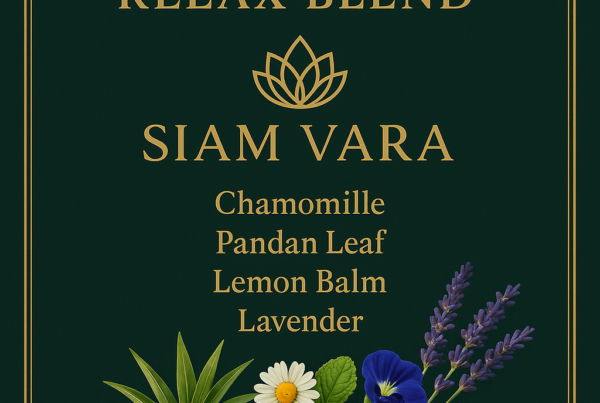
But beyond the visual spectacle, butterfly pea has also long held a place in traditional herbal practice as a mild, gentle botanical, often included in calming drinks and blended with other soothing herbs. Its subtle, slightly earthy flavor means it rarely dominates a blend, which is part of why it pairs so naturally with more flavorful herbs like chamomile, lavender, lemon balm, and pandan in bedtime tea blends — contributing its striking color and gentle character without overwhelming the other flavors.
Brewing butterfly pea tea at home is simple: steep the dried flowers in water just off the boil for about 5 to 7 minutes, then, if you’d like to see the color transformation firsthand, add a few drops of lemon or lime juice and watch the color shift in real time. It’s a small, satisfying ritual — one that turns the simple act of making tea into a little moment of natural wonder, and a reminder that some of the most captivating things in nature don’t need any artificial help at all.