
When it comes to calming herbal teas, two names come up more often than almost any other: chamomile and lavender. Both have long histories in traditional herbal practice, both are naturally caffeine-free, and both are commonly associated with relaxation and winding down. But despite their shared reputation, chamomile and lavender are quite different herbs — different in flavor, in aroma, in how they’re traditionally used, and in the kind of evening experience they tend to create. Understanding those differences can help you decide which one better suits your taste, or whether a blend of both might be the best of both worlds.
Flavor and Aroma: Sweet and Mellow vs Floral and Bold
Chamomile is often described as mild, gentle, and slightly sweet, with a flavor reminiscent of apples and honey. Its aroma is soft rather than assertive, which is part of why it’s such an approachable tea for people who are new to herbal infusions. Because its flavor is subtle, chamomile is easy to drink on its own without feeling overwhelming, and it also blends well with almost any other herb without clashing.
Lavender, by contrast, has a much more distinctive and assertive floral character. Its aroma is immediately recognizable — many people associate it instantly with candles, soaps, or bath products before they even think of it as a tea ingredient. Lavender’s flavor carries a slightly herbal, almost woodsy undertone alongside its floral sweetness, and it can turn bitter if over-steeped or used in too high a quantity. Because of this stronger personality, lavender is often used in smaller amounts, either on its own in a lighter steep or blended with milder herbs to keep its flavor in balance.
If you tend to prefer subtle, easy-drinking teas, chamomile is likely to be the more comfortable choice — it rarely overwhelms and works well any time of day. If you’re someone who loves the scent of lavender in other forms, like candles or essential oils, and wants that same aromatic experience in a warm drink, lavender tea offers a more concentrated, unmistakably floral cup.
Tradition and Ritual: Two Different Kinds of Calm
Chamomile’s traditional reputation leans toward gentle, everyday comfort — the kind of tea associated with settling in after dinner, easing a busy mind, or simply marking the end of the day. Its long history across many cultures as an evening tea has made it something of a universal symbol for winding down, appearing in traditional practices from Europe to the Middle East to parts of Asia.
Lavender’s traditional associations lean slightly more toward aromatherapy and sensory relaxation — historically used in baths, sachets, and fragrant oils as much as in drinks. When brewed as tea, lavender brings some of that same aromatherapy-like quality into the cup: the scent released during steeping is often just as much a part of the experience as the taste itself. For those who find scent particularly grounding or relaxing, lavender tea can offer a slightly different, more aromatic kind of wind-down ritual compared to chamomile’s softer, more neutral approach.
Neither herb should be understood as a treatment for sleep issues or anxiety — both are best thought of as traditional, comforting additions to an evening routine rather than medical solutions. Both, however, have earned their long-standing reputations honestly, through generations of people finding them a pleasant, soothing way to close out the day.
Or Why Not Both?
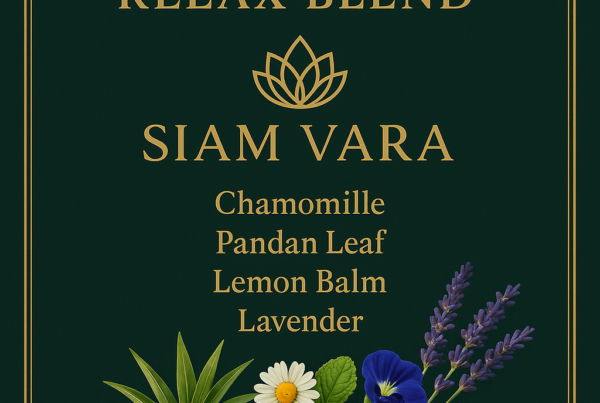
The good news is that chamomile and lavender don’t have to be an either-or choice. The two herbs actually complement each other quite well in a blend: chamomile’s mellow sweetness helps soften lavender’s more intense floral notes, while lavender adds aromatic depth to chamomile’s otherwise gentle profile. This is part of why many bedtime tea blends include both herbs together, often alongside other calming botanicals like lemon balm, pandan, or butterfly pea, to create a more layered, well-rounded cup — as seen in multi-herb blends such as Siam Vara’s Sleep & Relax pyramid tea bags.
If you’re trying to decide between the two, it might come down to simply experimenting. Try a cup of pure chamomile one evening and a cup of pure lavender (steeped lightly) the next, paying attention to which flavor and aroma feels more inviting to you. Or skip the decision altogether and try a blend that includes both — letting each herb’s traditional strengths balance the other in a single, comforting cup.